
Green Schools
Through the collaborative SMART Schools project, Green VI has successfully integrated environmental sustainability frameworks into the BVI public school system. With 13 of 15 schools now SMART Certified, we continue to scale this educational impact through our dedicated Green Schools programme. This initiative fosters resilience and environmental awareness in every student by deploying practical, hands-on systems – including recycling stations, school gardens, mosquito control protocols, clean drinking water systems, and energy efficiency audits and retrofits – as well as curriculum-aligned activities and lessons.
HOW WE DO IT
BUILDING RESILIENCE
GREENING SCHOOLS
GREEN LEARNING AND PLAYING
SCHOOLS WITH MOSQUITO REDUCTION PROTOCOLS
DRINKING WATER SYSTEMS INSTALLED
SCHOOL GARDENS
FACE TO FACE ENGAGEMENTS (2025)
GREEN SCHOOL COMPONENTS
Click on the tiles below to find out more:


WE (ALL) RECYCLE
First we reduce – Try to be more intentional about purchases and consider how the items will be dealt with at the end of their usefulness.
Then, we reuse – Find ways to reuse items whenever possible instead of buying more new things.
Finally, We Recycle – Recycling stations have been put into classrooms with external recycling bins that can be used by the school and surrounding community.
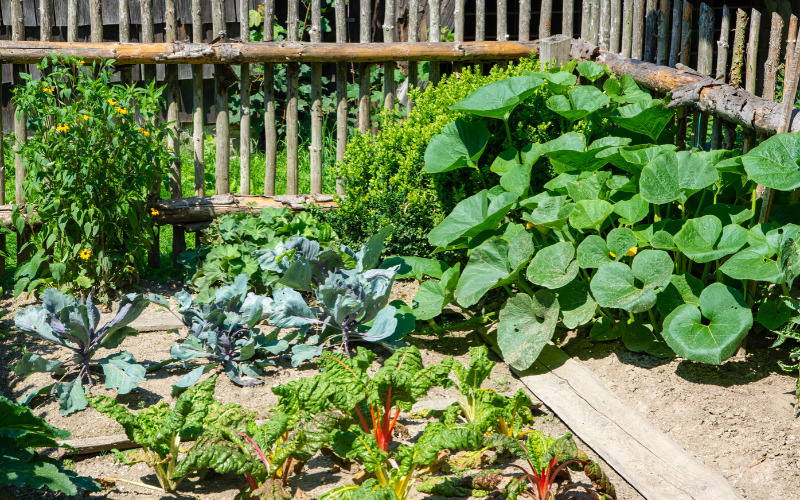
FOOD GARDENS CLASSROOM
A key component of resilience is food security. In the school garden classrooms students gain hands-on experience in growing food, learn lessons about the importance of food sovereignty, and cultivate an appreciation for nature.
Green Schools gardens include raised beds, rainwater harvesting systems, tool sheds, tools, irrigation systems, compost bins and pergolas that serve as outdoor classrooms. Many of these are made from polywood derived from the plastics collected from the We Recycle programme.
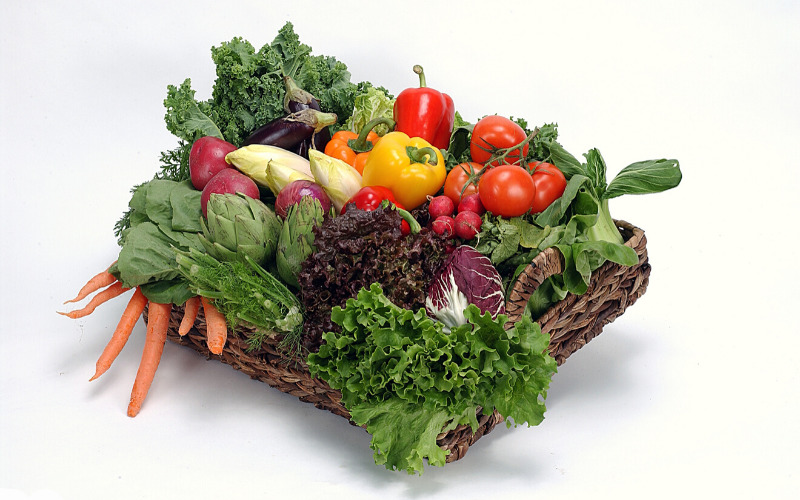
COMPOSTING
In addition, students learn about composting and the value of decreasing waste going to the dumpsites and instead, being used to enrich our soil. If you haven’t started composting at home, bring your fruits and vegetable peels to your local school garden compost bin. Your support would help our school garden classrooms to generate healthy soil with which they can grow fruits and veggies.


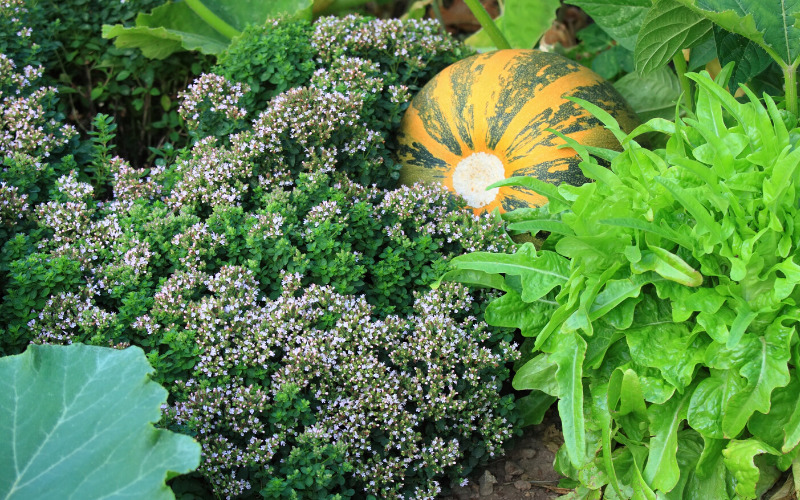
MOSQUITO CONTROL
Schools are checked monthly for breeding sites and mosquito traps have been set up to reduce the risk of mosquito borne diseases at schools and monitor mosquito types and numbers. Litter can collect rainwater and become mosquito breeding sites.
Community cleanups are scheduled monthly and participation is a wonderful way to contribute to the resilience of our territory. At these cleanups, refuse is categorised as either waste or recyclables.
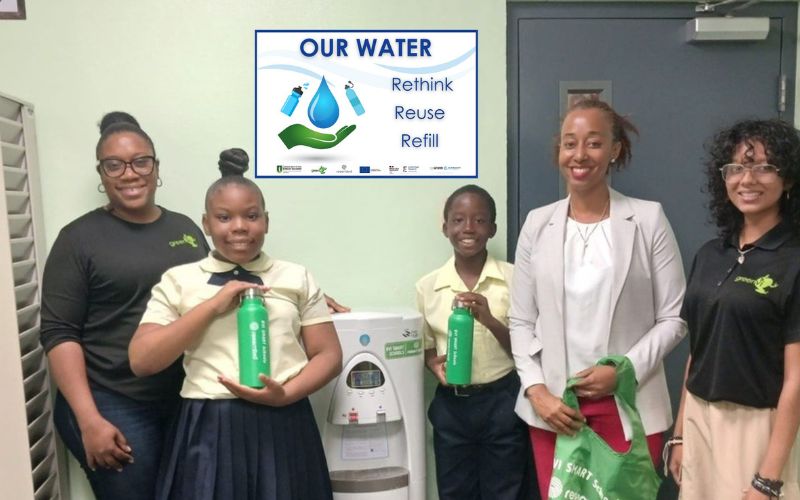
WATER GENERATION
Instead of relying on single-use plastic water bottles, students can refill their reusable bottles with safe, high-quality drinking water directly on campus. Our air-to-water generators harvest ambient moisture from the atmosphere, running it through a three-stage filtration process and mineralizing it for optimal taste. To complement the AWGs and meet high daily demand, we have also installed heavy-duty Elkay filtered water stations across campuses. Additionally, we have integrated rainwater harvesting systems in 11 school gardens—teaching students sustainable water management while ensuring reliable, plastic-free hydration and irrigation for our school grounds.
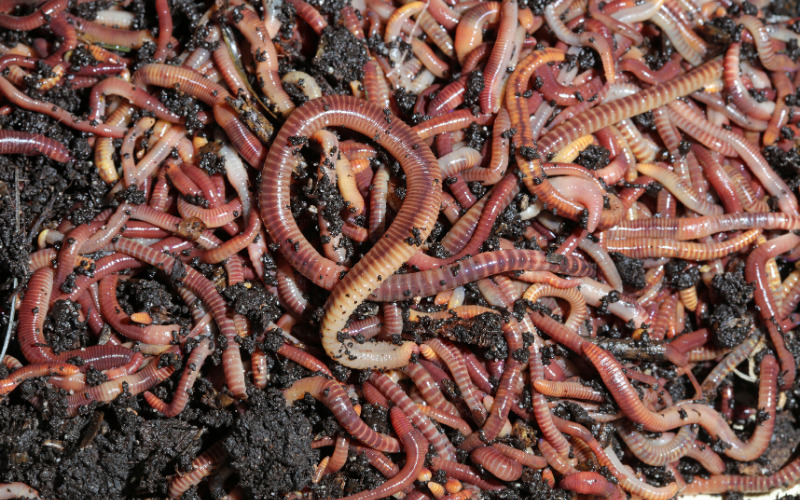
ENERGY – EFFICIENCY
BVI Green Schools project provided for the installation of LEDs in schools to increase energy efficiency. Students learned to turn off lights, devices, and appliances when not in use. We are hoping the next step is to run our schools on renewable energy sources such as solar power. .
Featured School Garden
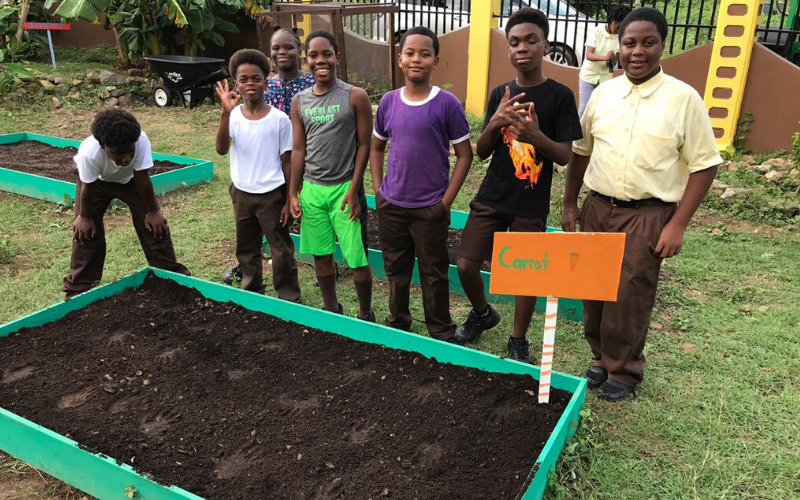
Francis Lettsome Primary School was supported by a donation from Harneys as a part of their commitment as a Green Certified business. At Francis Lettsome, we work with four classes of Grade 5 and Grade 6 students to provide “seed to harvest” lessons and teach healthy eating and environmental stewardship skills. Students market produce each week to staff and parents to encourage agripreneur ambitions, and to further support purchases of fruit trees, seeds and supplies for the garden.
Garden Gallery
Growing carrots

Learning about soils
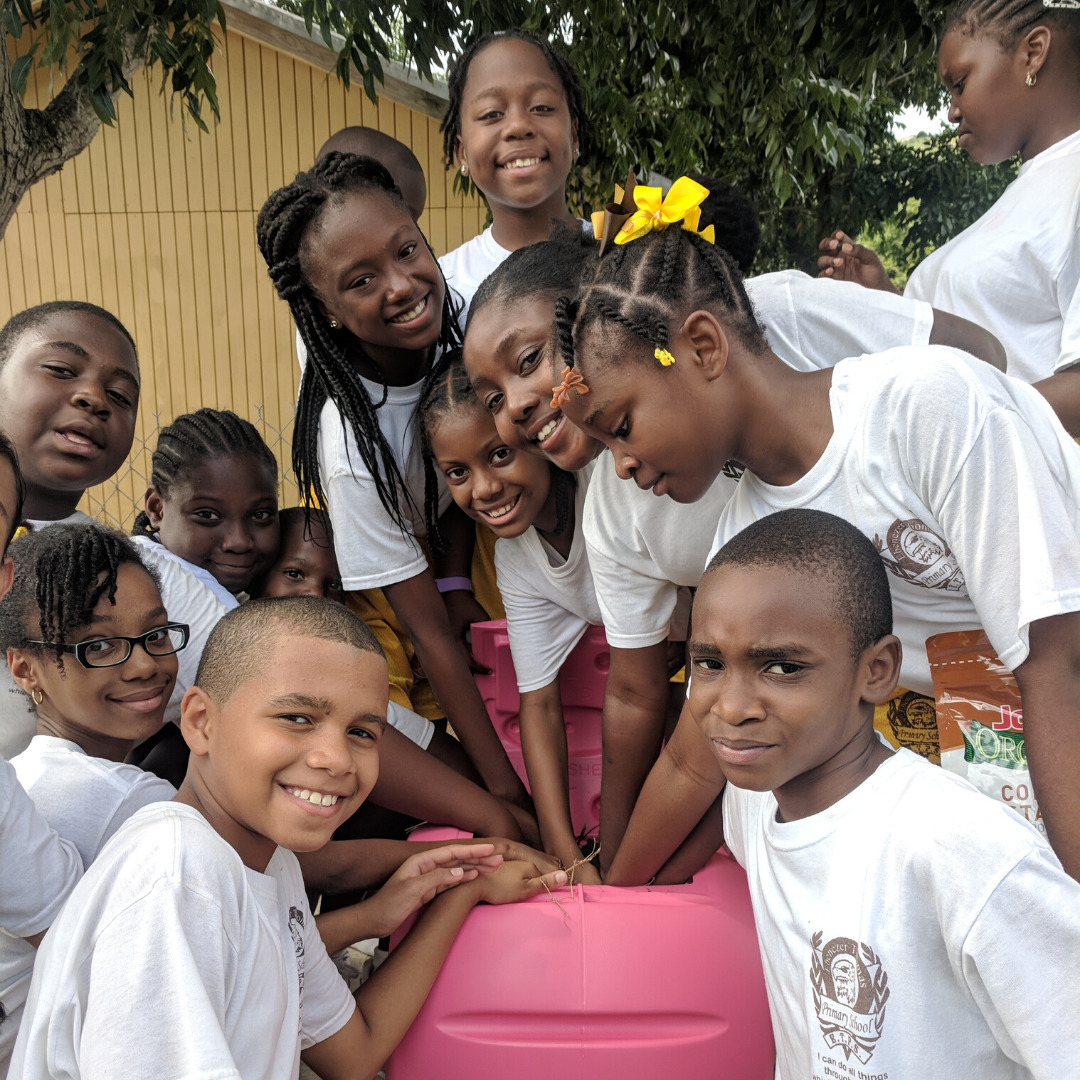
Learning about in-vessel composting

Harvest time joy

Learning about roots and rhizomes

Francis Lettsome Produce sales

Students show off their produce

Getting garden beds ready

Identifying pests and nutrient deficiencies

Weights and measures

Making signs for Pineapples at FLPS

Growing bananas

Ebenezer Thomas students starting pumpkin seeds

Soil lessons

Leonora Delville students perusing a seed catalogue

Making garden signs
GREEN CERTIFICATION
Sustainable development requires a shared standard across the entire economy. The Green Certification initiative provides businesses with the education, practical tools, and operational systems needed to implement green practices, recognizing achievements through Bronze, Silver, Gold, and Leader Accreditations. This programme, developed alongside the Ministry of Natural Resources, channels essential resources into environmental betterment via its dedicated Green Fund. The data and operational models derived from this framework provide the technical guidance needed to support the future Extended Producer Responsibility (EPR) Plan.